M.P.M.R
Multi-Purpose Mobile Robot — one 4×4 skid-steer chassis, rebuilt across four configurations for agriculture, surveillance and tracking.
What it is
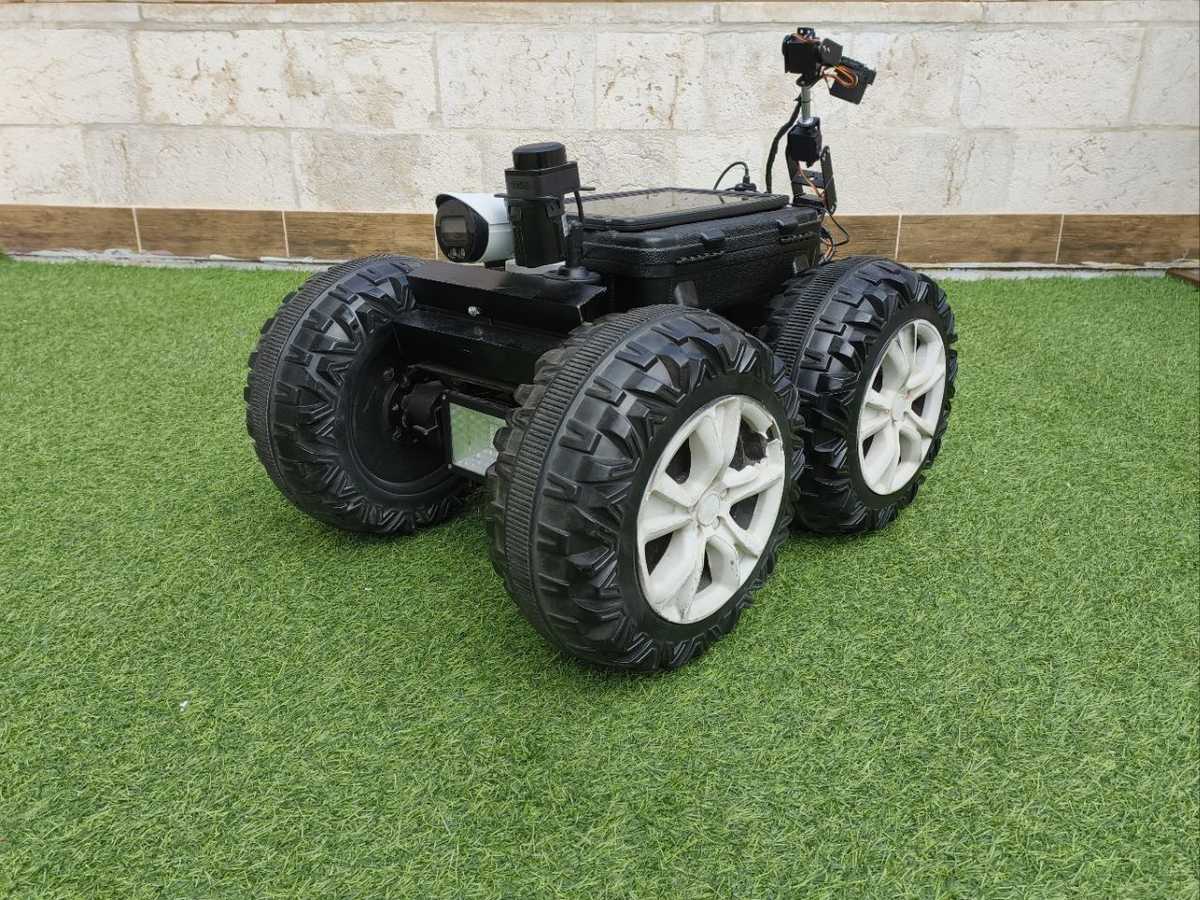
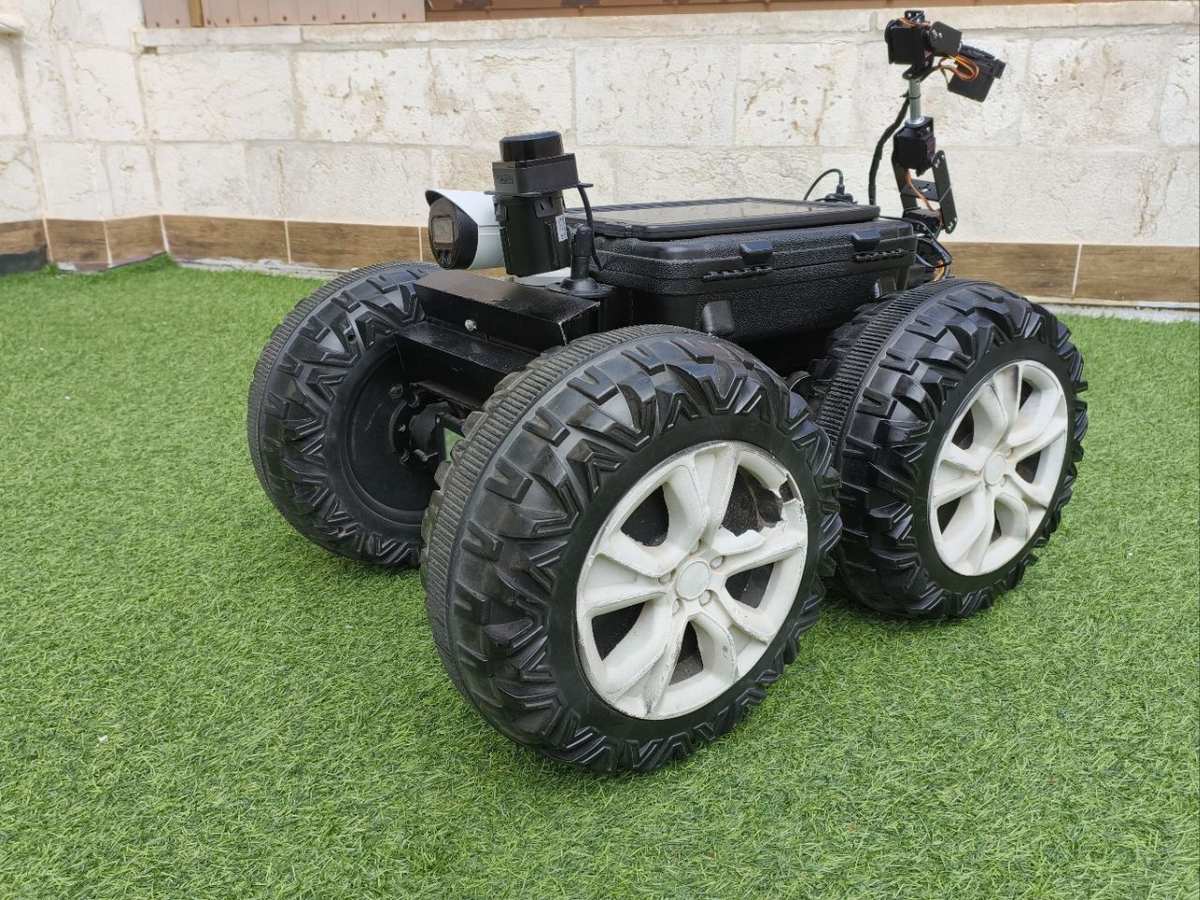
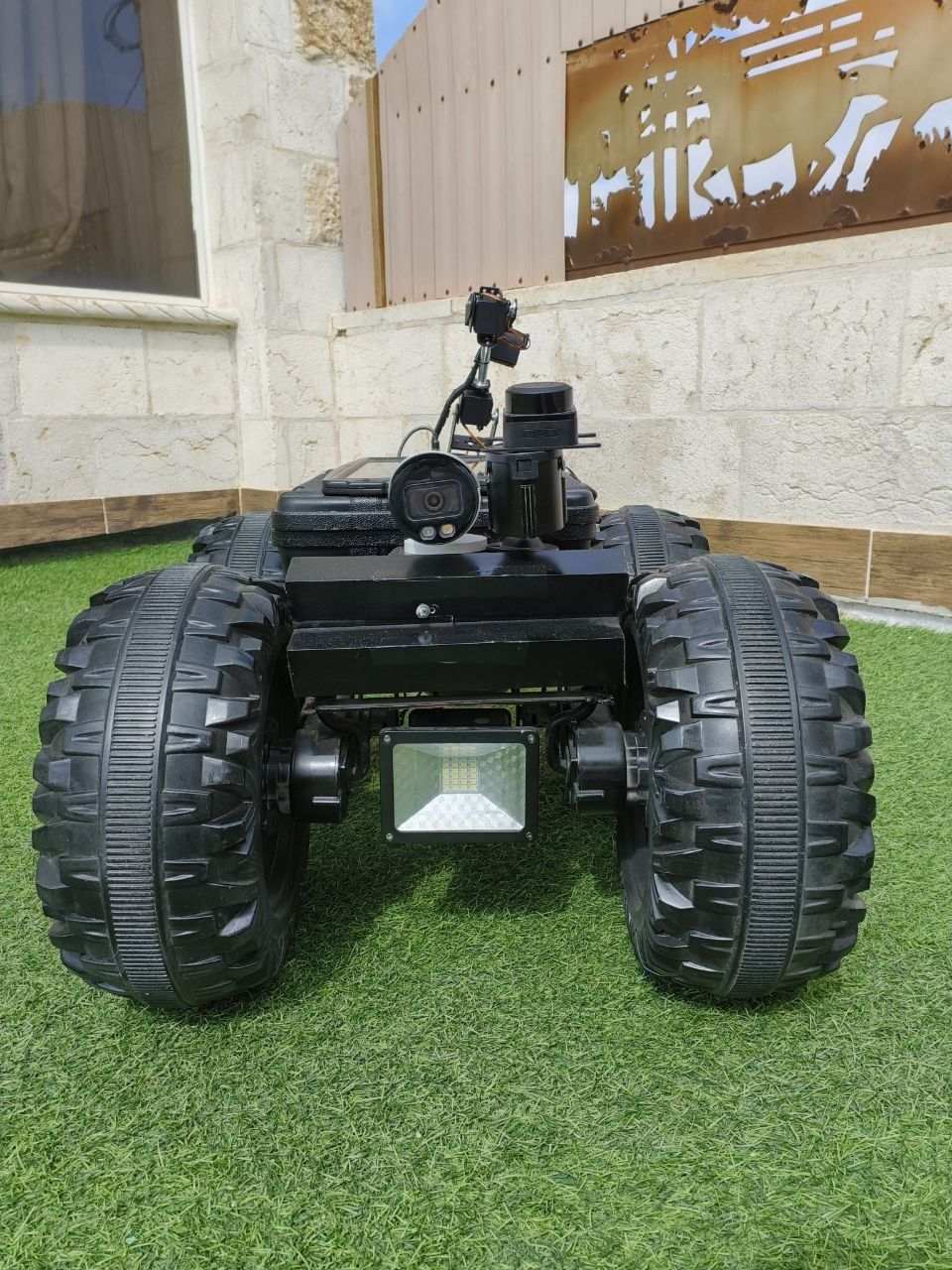
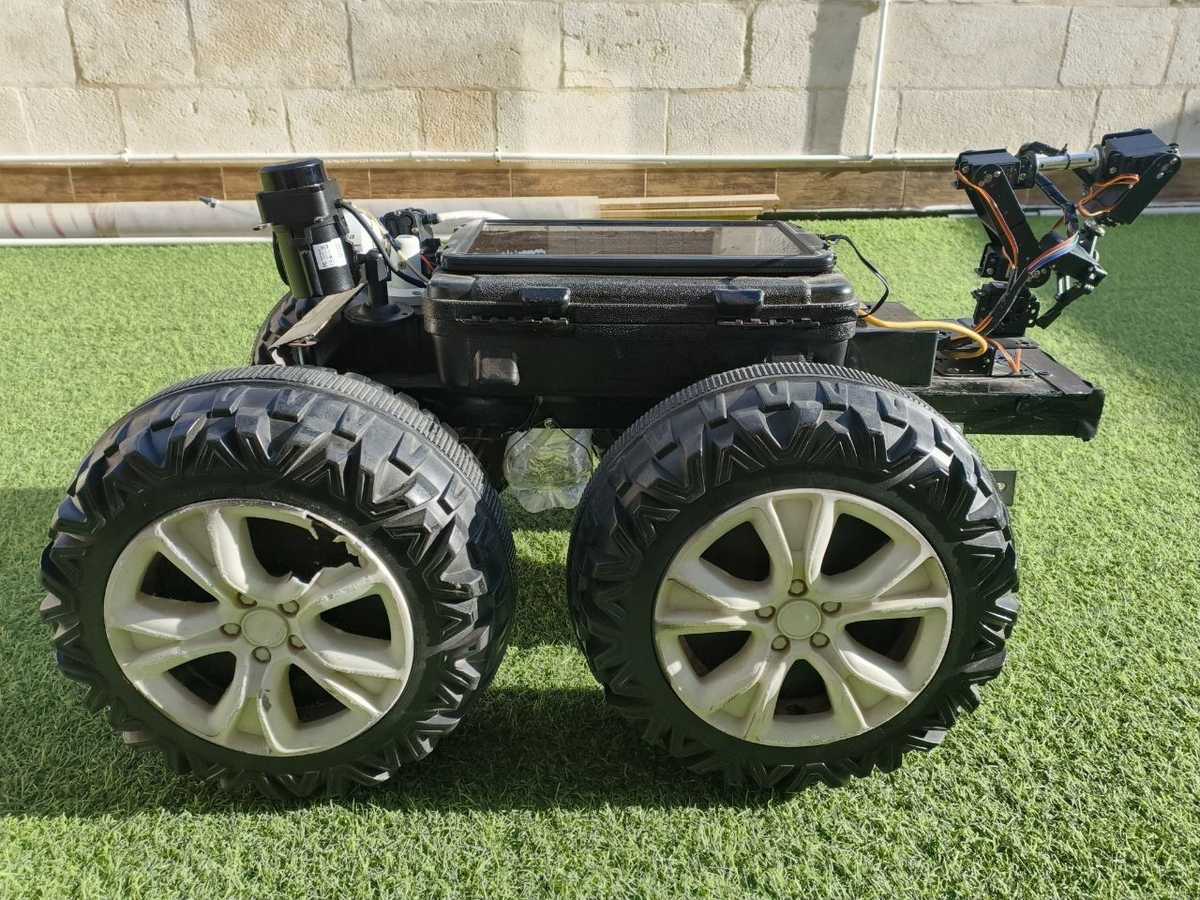
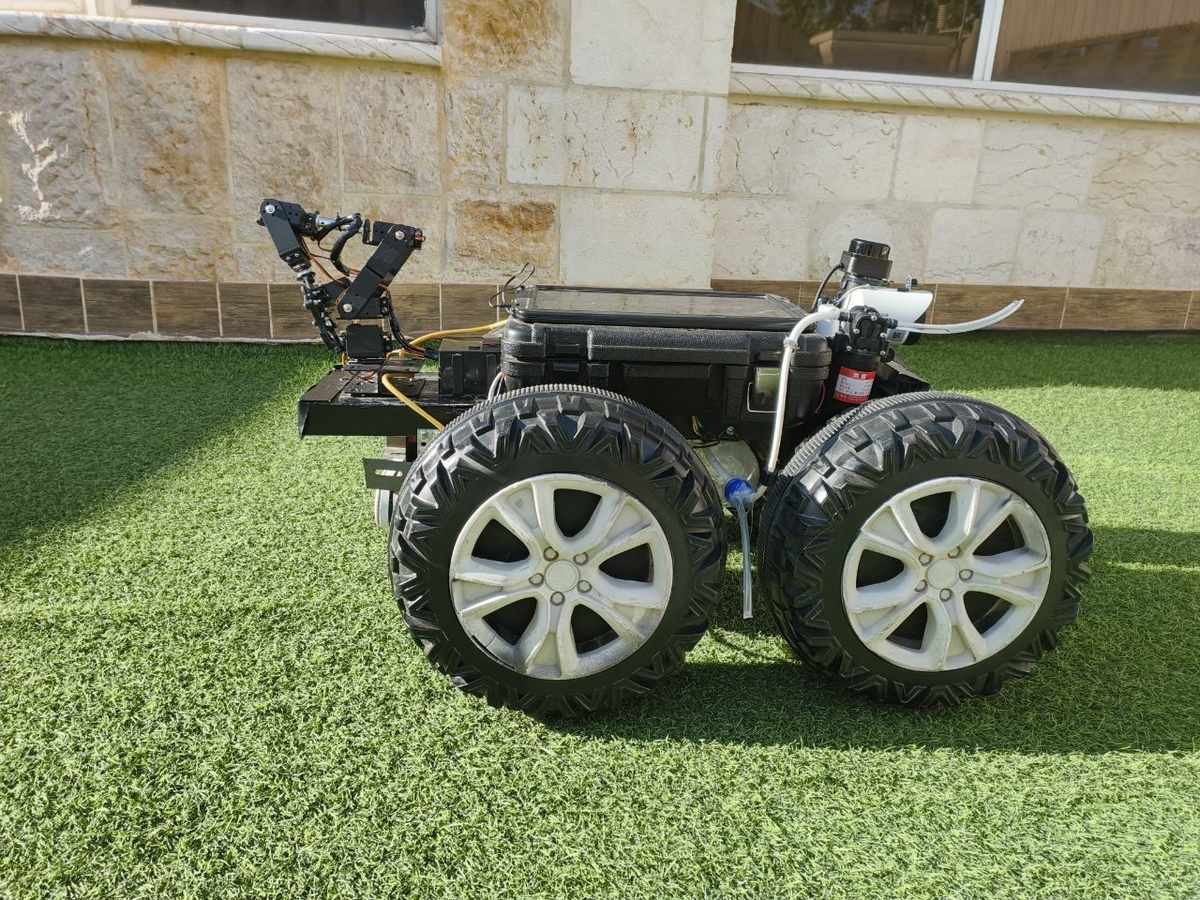
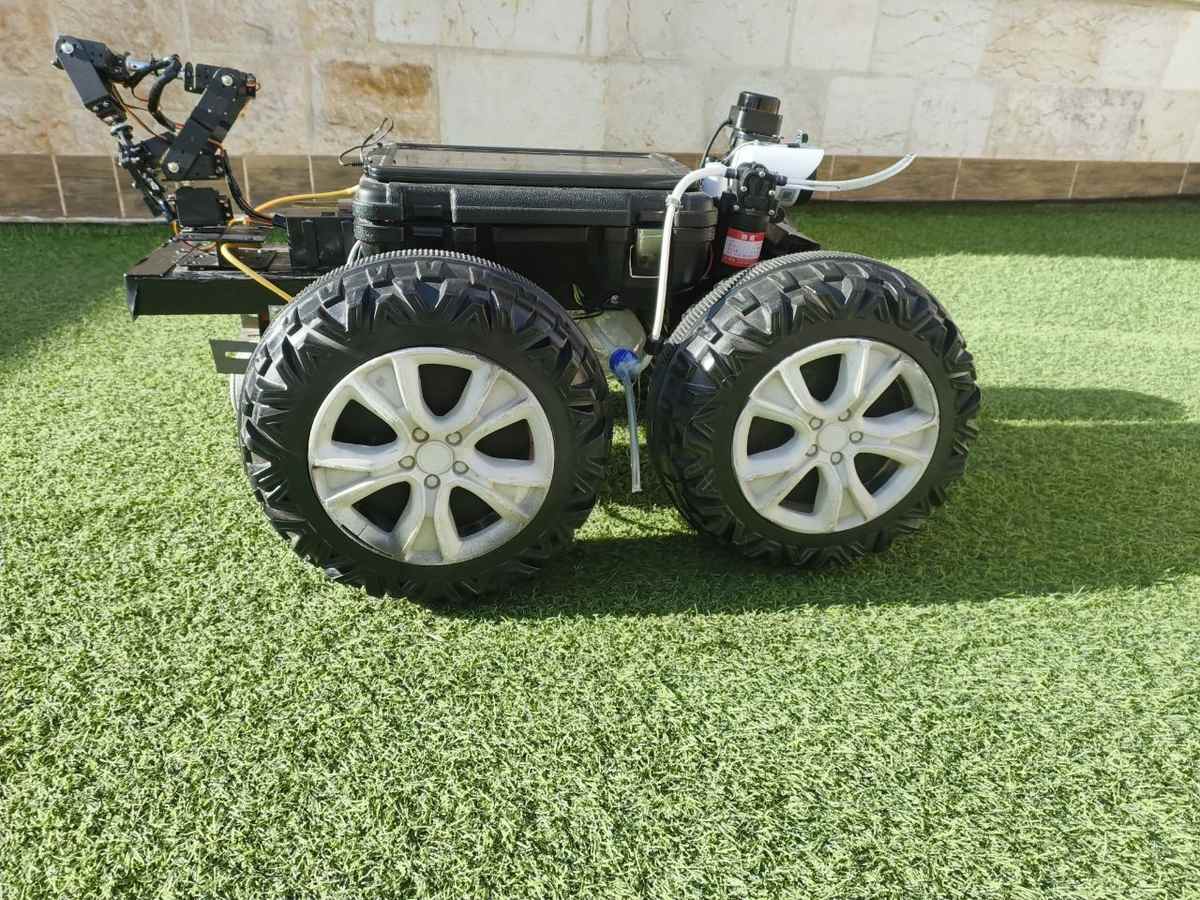
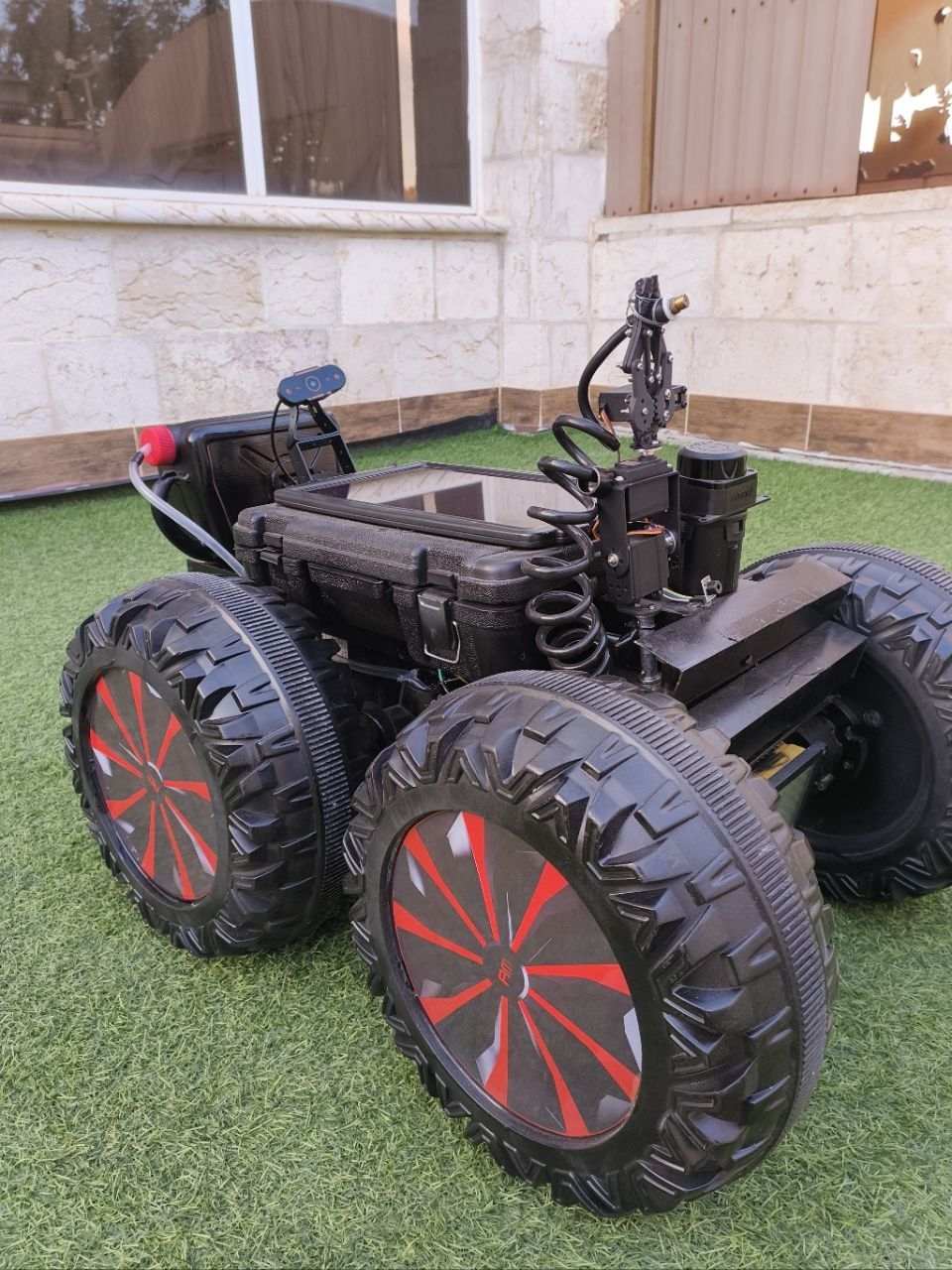
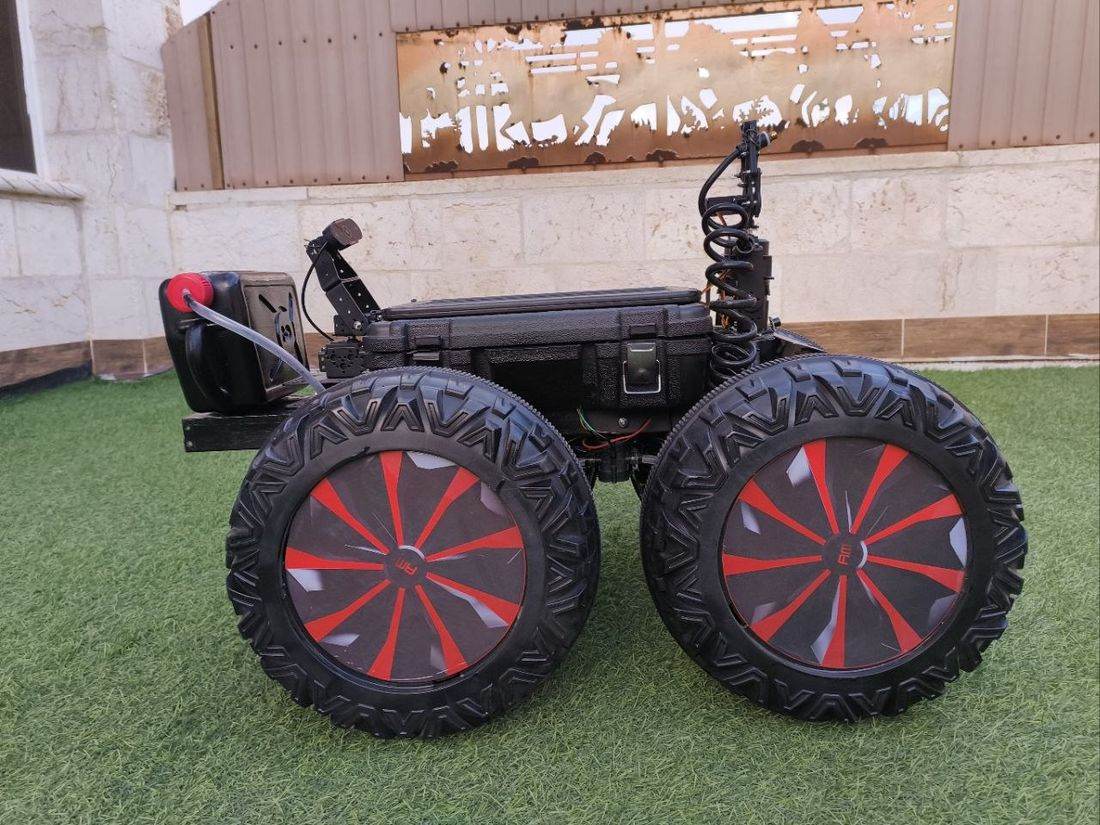
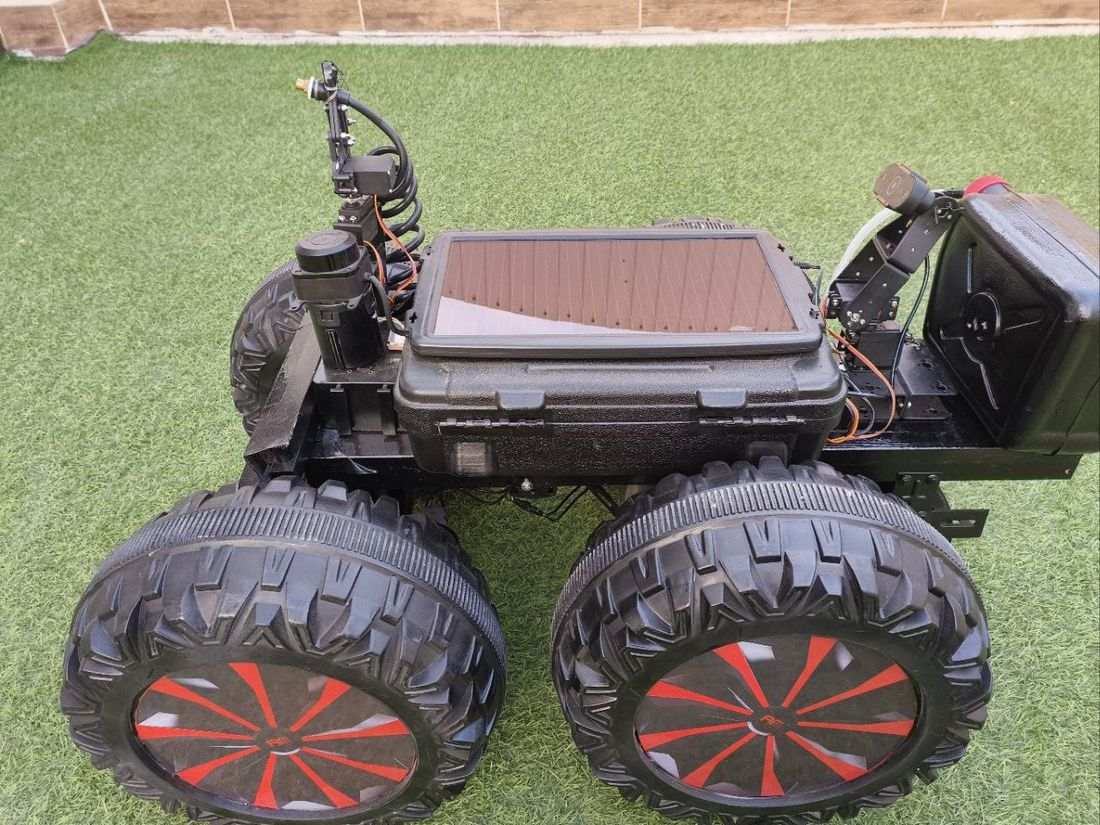
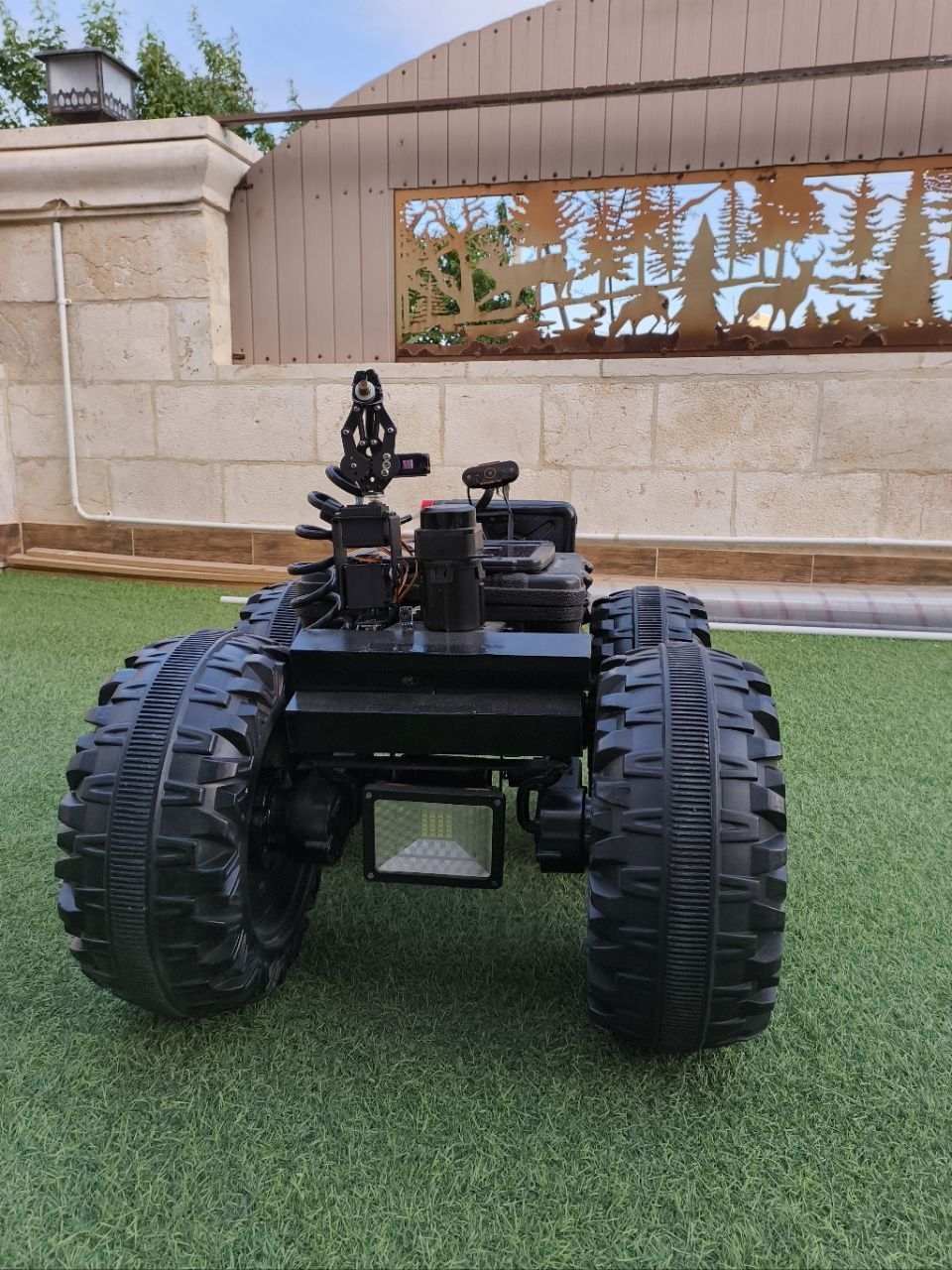
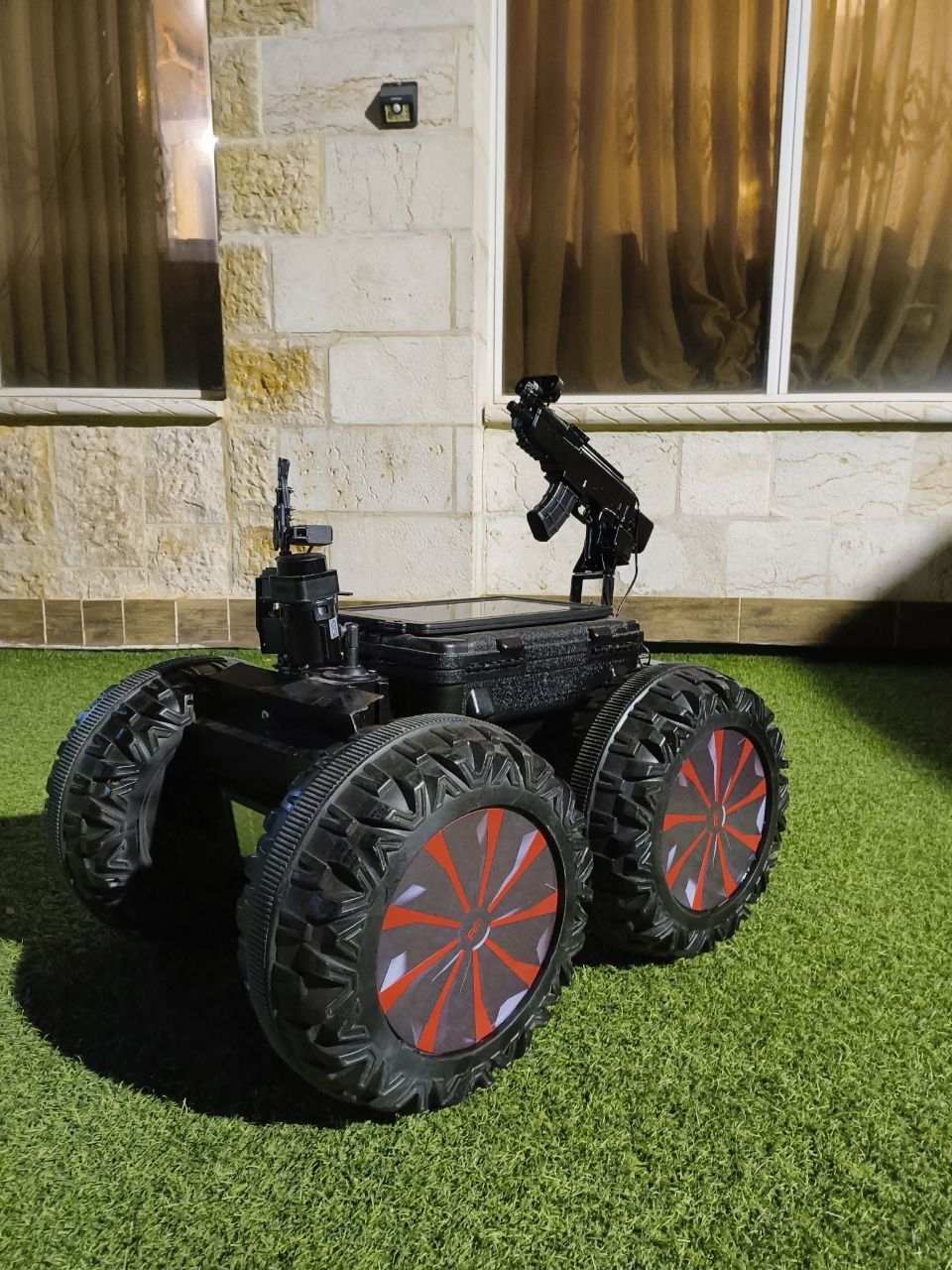
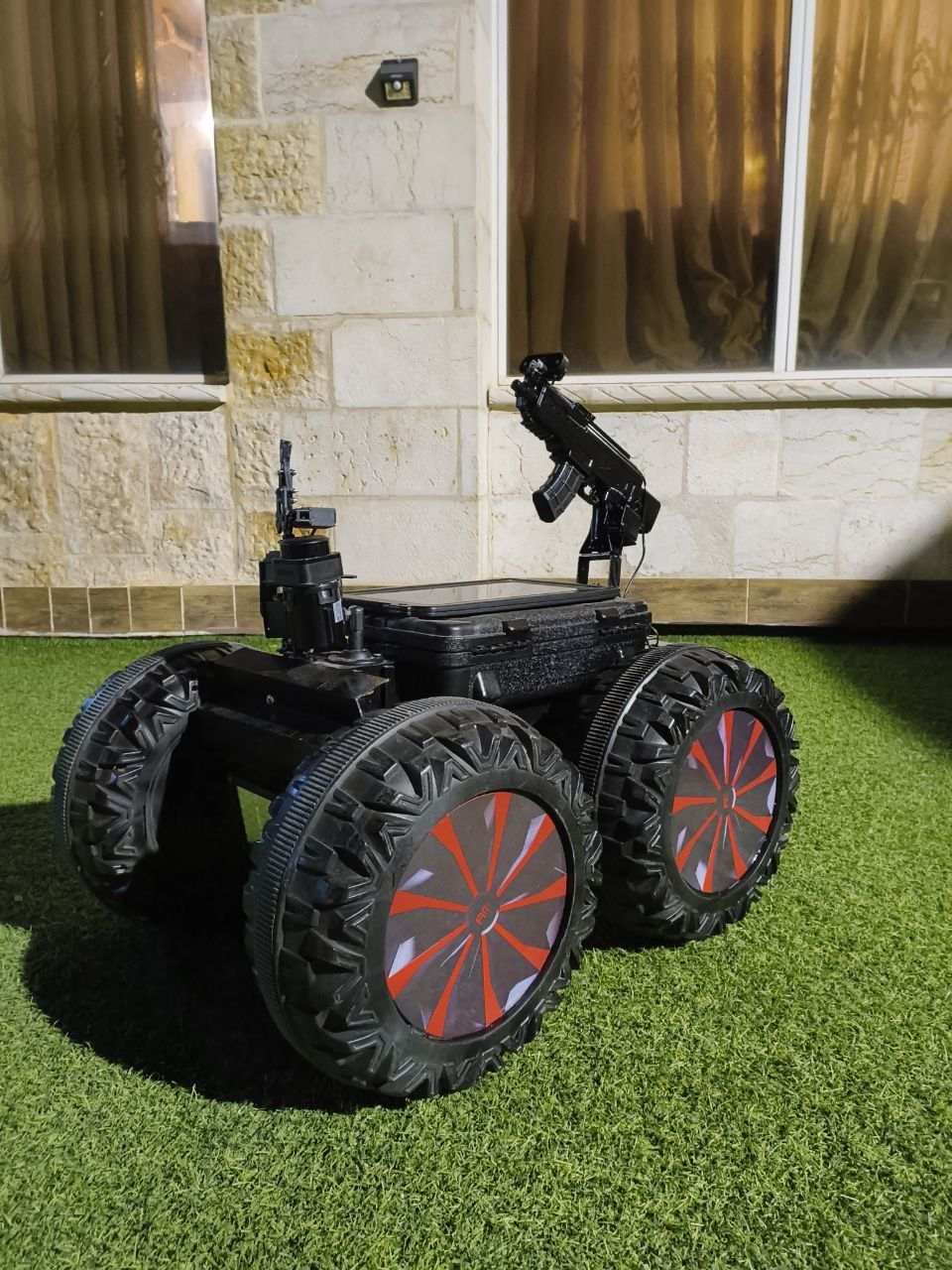
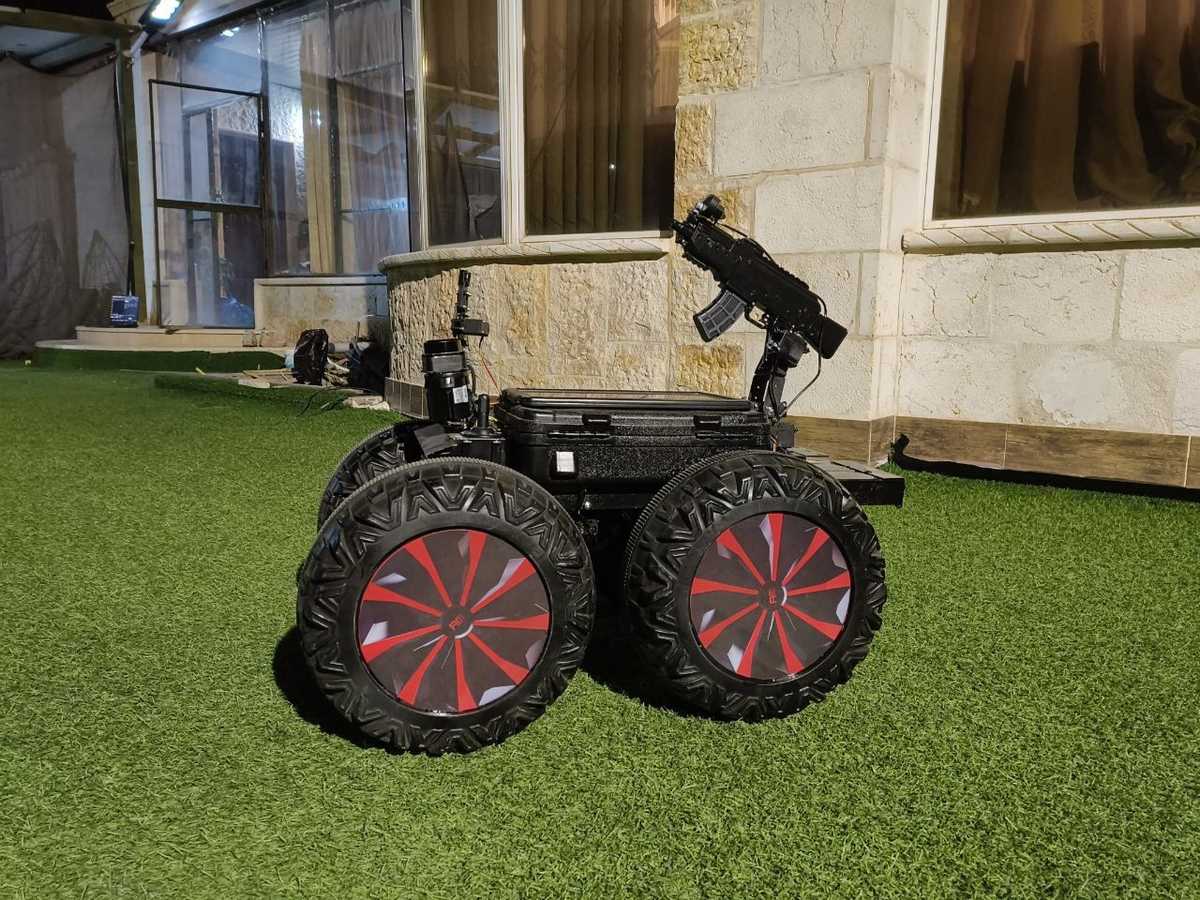
The M.P.M.R started as a question about reuse. Building a rover for one job means building a new rover for the next one — a new chassis, new drive electronics, new wiring, every time. So the platform was designed around a fixed base: a 4×4 skid-steer chassis with independent brushless drive, a sealed equipment case, and a payload deck that different sensor and actuator modules bolt onto.
Everything above the deck changes with the mission. Everything below it stays the same. That single decision is why the same robot has been a greenhouse inspector, a patrol unit and a tracking testbed without ever being rebuilt from scratch.
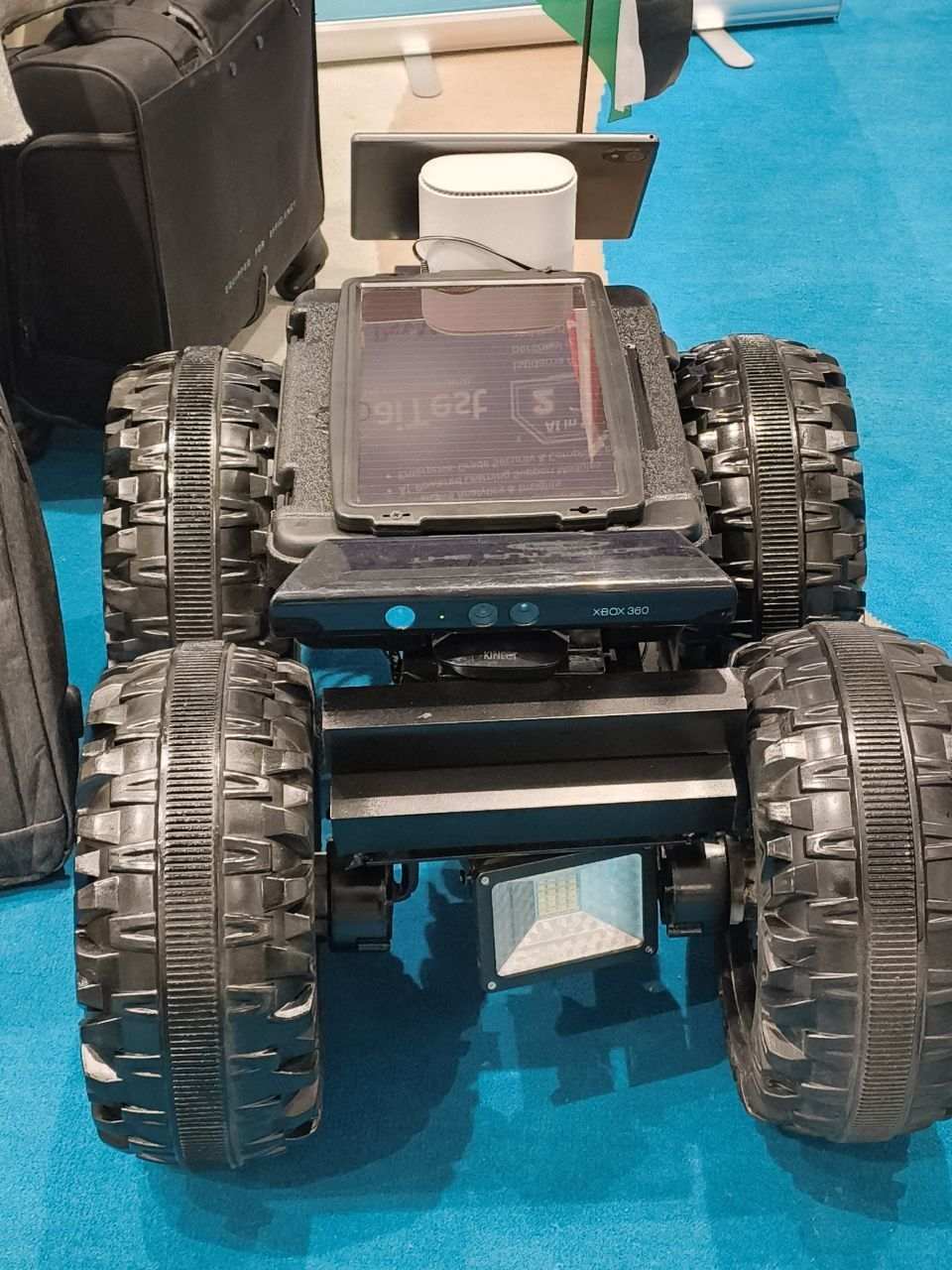
Stage 1 was the proof: an Xbox Kinect 360 for depth, obstacle avoidance, teleoperation and onboard lighting. Crude, but it established that the drive platform could carry compute and sensors over uneven ground.
GHRS, the greenhouse configuration, added a 6-DOF arm and autonomous navigation between crop rows, with an EfficientNetV2-S classifier running on board for plant disease detection — 85.4% accuracy at a 0.65 confidence threshold, trained on PlantVillage. Diagnosis happens on the robot, not in a datacentre, because greenhouses rarely have reliable connectivity.
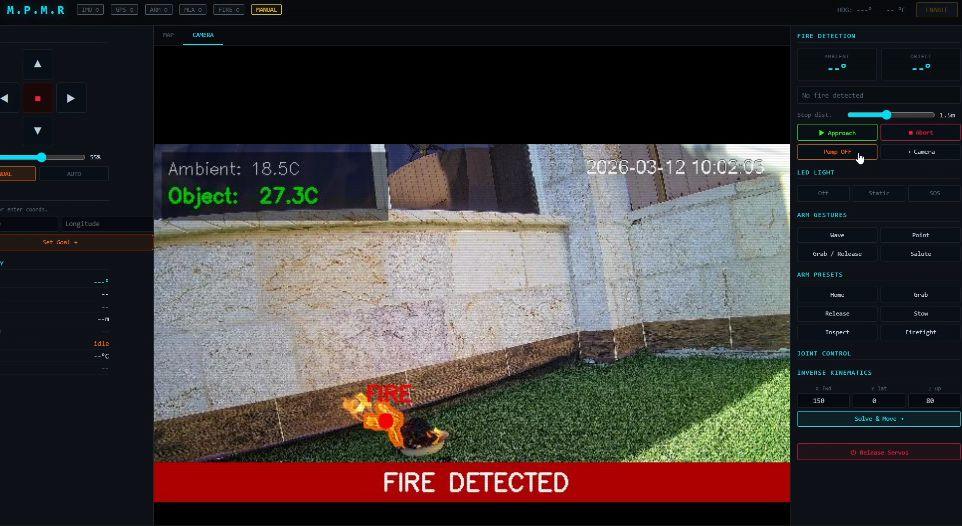
Crowd Control moved to LIDAR and SLAM for mapping and localisation, fusing depth, IMU and GPS for autonomous patrol with teleoperation fallback. It carries person detection, fire detection, and a tracked non-lethal water nozzle.
SCORP, the current build, adds a stabilised pan-tilt turret that acquires and follows a moving target using vision — validated with a non-lethal platform so tracking accuracy can be measured safely.
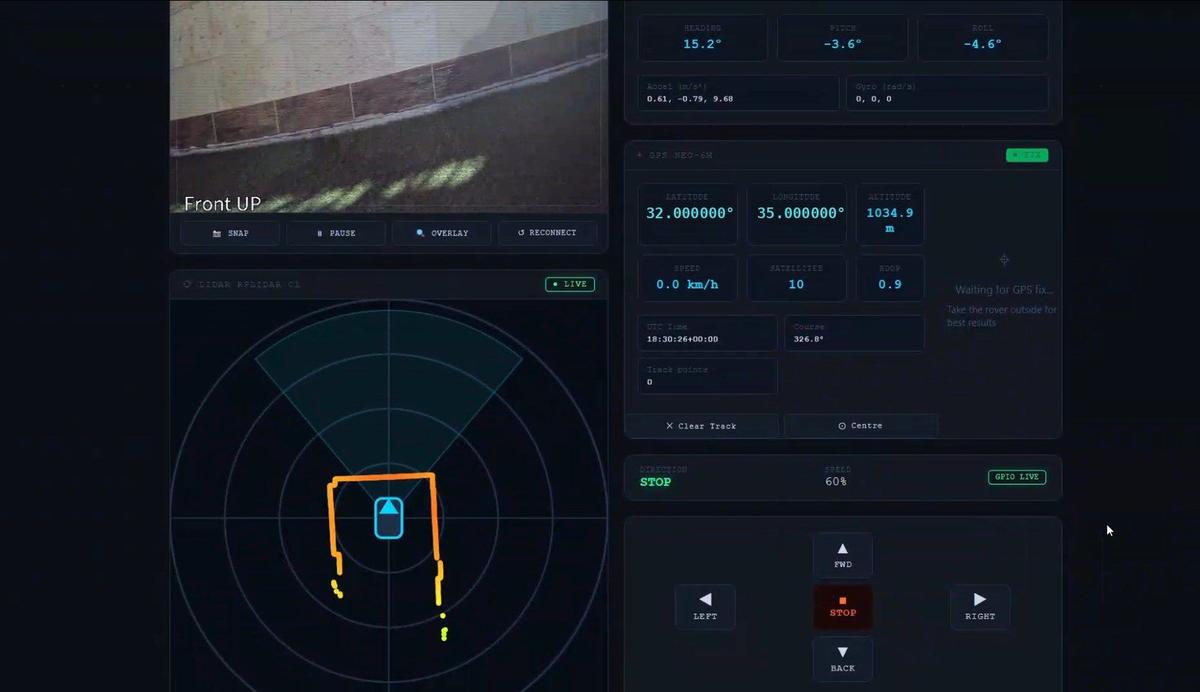
The whole platform reports to a browser-based ground control station: live camera feed, LIDAR polar map, heading, pitch and roll, GPS fix and track log, and direct drive control. It has been demonstrated to Jordanian defence and public-security bodies, who showed serious interest. Development is ongoing.
Greenhouse navigation and perception stack
The ROS 2 packages behind the GHRS configuration are public.
Where it fits
Protected agriculture
Row-by-row inspection in greenhouses and polytunnels, classifying plant disease on board where connectivity is poor or absent.
Perimeter surveillance
Autonomous patrol of a mapped site with person detection and live video, replacing fixed cameras that leave blind spots.
Early fire response
Onboard fire detection with a tracked nozzle for suppression at the source, before a fire reaches a size that needs a crew.
Crowd management
Non-lethal water deployment at standoff distance, keeping personnel out of direct contact.
Hazardous inspection
Sending sensors rather than people into spaces that are confined, contaminated or structurally unsound.
Research platform
A modular base for testing navigation, perception and manipulation without rebuilding a robot for each experiment.
In motion
16 images